|
When it comes to the debate about global warming science, it's all over but the shouting—meaning that there probably will be a lot of shouting in the future when the masses wake up and realize that the last 10 years of foot-dragging by "global warming skeptics" will cost us dearly in the end.
 At this point, most governments and individuals are wising up and asking how best we can move forward to accelerate the implementation of serious global warming solutions. Many global warming solutions will need to happen at the national or global level, but there are many things we as individuals and families can do to reduce our contributions of greenhouse gases to the atmosphere.
Today's article, adapted from materials made available by the
Stop Global Warming
campaign, lists a number of ways that we can each do our part in the quest for global warming solutions. You'll note that almost all of the actions address energy usage. That's because the principal greenhouse gas, carbon dioxide, is primarily emitted by several of our routine activities:
- use of our cars (which burn gasoline or diesel fuel);
- use of electricity (which is largely generated by burning coal and natural gas);
- the heating of our homes (usually via electricity, natural gas, or home heating oil).
Reducing your energy usage—and hence your use of fossil fuels—equates to reducing your personal emissions of greenhouse gases.
~ ~ ~
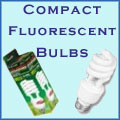
Replace frequently used light bulbs with compact fluorescent bulbs. The new bulbs will last longer and use less energy, which means less pollution from power plants. If you replaced just two incandescent bulbs with compact fluorescents, your household would save about 300 pounds of carbon dioxide per year. If every household in the United States did it, we would save a trillion pounds of greenhouse gases from entering the atmosphere!
Run your dishwasher only with a full load. This maximizes the overall efficiency of getting your dishes washed. You can also study how best to fit the dishes into your particular model—the more dishes you can get washed per load
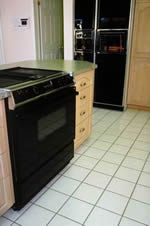 (without OVER-packing the unit), the more efficient your energy usage. You can also use the energy-saving setting (no heat) to dry the dishes. This can save 100 pounds of carbon dioxide per year.
Improve your hot-water setup. Wrapping your water heater it in an insulating jacket will result in a 1,000 pound per year reduction of carbon dioxide emissions. If you keep your water heater thermostat no higher than 120 degrees F, you can reduce carbon dioxide emissions by 550 pounds per year. Another water-heating option that can improve efficiency, especially if you have long runs of hot-water pipes going to your most-used sinks, is the tankless water heater. This device heats the water needed at an individual sink "on demand" rather than keeping a large central tank of water hot ready for all sinks at all times. This is usually more efficient, and also gives you an "unlimited" supply of hot water for the affected sinks (and showers/tubs). The best choice in getting energy-smart on hot water is a solar hot water heater. See our Home Solar Energy article for more info.
Don't leave the water running. It's always a good idea to turn off the water when you're not actually using it. When hot water is involved, minimizing water usage also reduces energy usage. For example, when you're washing your hands, soaping up in the shower, or doing dishes in the kitchen sink—turn off the water until you actually need it for rinsing. Another way to reduce hot-water usage is to take shorter showers. Similarly, installing a low-flow shower head can save 350 pounds of carbon dioxide per year.
Maintain your HVAC system. It's relatively easy to clean or replace the filter in your heating, air conditioning and ventilating (HVAC) system every month or two. Doing so will maximize your system's performance, minimize its energy usage, and ensure that the system keeps the inside of your home comfortable—and save 350 pounds of carbon dioxide per year. If you don't know how to change your HVAC filter, have a routine system check performed by a qualified HVAC technician, and have him show you how to do regular filter changes in the future. (You should be getting your system serviced once a year anyway!)
Replace old appliances. Get rid of old, energy-inefficient appliances and replace them with newer energy-efficient models. Just by using an energy-efficient refrigerator, you can save 500 pounds of carbon dioxide per year. (And do you REALLY need that old second refrigerator that's still running in the garage?) If you replace your current washing machine with a low-energy, low-water-use machine, you will be able to reduce your carbon dioxide emissions by 440 pounds per year. For even more savings, wash your laundry in warm or cold water (instead of hot). That will bring in a reduction of carbon dioxide emissions of about 500 pounds per year.
Bring back the clothes line. Using an energy-efficient clothes dryer is good, but not using a dryer at all is better! Air dry your clothes during the spring and summer instead of using the dryer. You can save 700 pounds of carbon dioxide per year if you do this during the warmest six months of the year.
Weatherize your home. Replace worn-out weather stripping and door sweeps, and caulk around your doorways and windows. You can reduce your carbon dioxide emissions by 1700 pounds per year.
Improve your home's insulation. Adding more (or better) insulation to walls and ceilings can reduce home heating/cooling bills by about 25% and avoid 2,000 pounds of carbon dioxide per year.
Keep your vehicle in tip top shape. A tune-up can boost your miles per gallon from 4% to 40%. A new air filter can get you 10% more miles per gallon.
Check your tires weekly and make sure they are properly inflated. It's safer and saves fuel. If everyone in the United States did it, gasoline use nationwide would come down by 2%.
Nice rack—take it off. Taking the roof rack off your car when you aren't using it will add up to savings by reducing the aerodynamic drag on your vehicle.
Un-Car. Carpool or take mass transit to work sometimes. Leaving your car at home just two days a week will reduce your carbon dioxide emissions by an average of 1,590 pounds per year.
Drive smart. Don't accelerate too quickly. When you drive aggressively or in spurts and quick stops, you waste fuel. For more tips, see the GP article on how to beat high gas prices.
 Buy a high-mileage hybrid. You can get 50 miles to the gallon and reduce your personal demand for oil. Your government hears you by how you spend your money.
Buy a fuel-efficient car. Even if you don't run right out and get a hybrid, consider finding a car that gets more miles to the gallon than your current vehicle. According to the US Energy Information Administration, you can save 19.5 pounds of carbon dioxide per gallon of gas saved. If your new car gets 5 miles per gallon more than your old one and you drive an average of 10,000 miles in a year, you'll save several hundred TONS of carbon dioxide per year! Compare vehicles' mileage characteristics at FuelEconomy.gov.
Buy locally produced food and merchandise. This reduces the amount of energy required to transport products and it keeps money in your community, making it stronger. Developing this habit is also a good defense against the possible future complications of
peak oil
and is a step towards reducing your exposure to a
food crisis.
Joining a
CSA
is a great way to buy
local food.
Buy paper products that use recycled paper. It takes less energy to turn recycled paper into new products than to make new paper from virgin trees. Look for high percentages of "post consumer content" when you buy paper products, including
toilet paper and facial tissues
Don't buy
paper products
from companies that refuse to use post-consumer paper. You can also try to get more mileage out of the paper you use—when you write or print on paper, use both sides. Use of recycled paper is not a small issue—the paper industry is the third greatest contributor to global warming emissions.
Reduce garbage. Producing 2% less garbage will reduce carbon dioxide emissions by 1,000 pounds per year. Add "less packaging" to your list of reasons for choosing one item over another. Bring your own cloth bags to the market or reuse the paper bags they give you. (Related GP article: Trash Can Liners and Plastic Bags)
 Support recycling. Producing new paper, glass, and metal products from recycled materials avoids 70% to 90% of the energy and pollution that results from products made from virgin materials. You can save 2,400 pounds of carbon dioxide per year by recycling half of household-generated waste. Recycle at home and promote recycling programs at your school or workplace. (Related GP article: The Benefits of Recycling at Home and at the Office)
Get green energy. Many consumers can tell their power company that they want their electricity to come from sources that have minimal global warming impact, such as wind, solar, or hydro. This may cost you slightly more per month than electricity from "dirty energy," but you'll be doing a world of good. So call your local utility and ask to sign up for clean, green, renewable energy. If they don't offer it, ask them why not!
Buy clean energy certificates. Another way to help spur the renewable energy market and cut global warming pollution is to buy "wind certificates" or "green tags." Doing this means you're supporting the addition of clean power to the nation's energy grid in place of electricity from fossil fuels. For more information, see Green-e.
Get an energy audit. Ask your utility company for a home energy audit to help you find out where your home is poorly insulated or energy-inefficient. Fixing the deficiencies can save 1,000 pounds of carbon dioxide per year.
Move your thermostat down two degrees in winter and up two degrees in the summer. You can save about 2000 pounds of carbon dioxide a year doing this—roughly half the energy we use in our homes goes to heating and cooling. If you're cold in the winter, instead of turning up the heat, put on a sweater or sweatshirt. Similarly, in the summer, shorts and t-shirts help a lot!
Turn off unused electronic devices. By simply turning off TVs, VCRs, DVDs, stereos, lights, and computers when you're not using them, you can save thousands of pounds of carbon dioxide emissions.
 You can also reduce energy usage and carbon dioxide generation by addressing the problem of
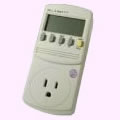
vampire power
in your electronics and appliances.
You can also reduce energy usage and carbon dioxide generation by addressing the problem of
vampire power
in your electronics and appliances.
Buy products that have earned EnergyStar certification. Over 40 different kind of products now carry the "EnergyStar" logo—the US-government-backed symbol for energy efficiency. Ratings apply to lighting, home electronics, heating and cooling equipment, and appliances. With EnergyStar products you can save 30% on your energy bills and reduce gigawads of greenhouse gas emissions.
Be a righteous Lawnmower Man. Using a reel-style push mower instead of a power mower will reduce carbon dioxide emissions by 80 pounds per year. Gas mowers are also notorious sources of air pollution. The best global-warming solution for your lawn is to start converting it to a permaculture-based backyard habitat that does not need to be mowed at all! The
National Wildlife Federation has tips on how to make your back yard climate- and critter-friendly. Along the same lines, doing some "grass to garden" conversion can help you move from demanding lawn to delicious vegetables. Read more in the "Grow Your Own" section of our Food Crisis article.
Less power, more exercise. Hanging up your weed whackers, leaf blowers, and other gasoline- and electricity-powered yard devices in favor of rakes, brooms, hedge shears, grass clippers, and other manual implements of yard care will not only avoid carbon dioxide, it will reduce other air pollutants and help you with your exercise routine.
Plant trees and woody shrubs. They suck up carbon dioxide and produce clean air for us to breathe. One tree absorbs 1 ton of carbon dioxide. One thousand trees would suck up about as much carbon dioxide as the average American generates in a lifetime. Be sure to choose trees native to your region when you go a' arboring.
Tell the companies you buy from that you care about global warming. And that you will send your dollars elsewhere if they don't start getting serious about the issue.
Tell the companies you invest in that you care about global warming. And that you will pull your investments if they don't address the issue. Don't like a company's profile on global warming? Go to shareholder meetings and speak-up!
Be an instigator. Promote energy-efficient measures at your school or workplace.
March! Have you joined the "Stop Global Warming Virtual March on Washington"?
Here's where you can.
|
The Stop Global Warming Virtual March on Washington is a non-political effort to bring all Americans together in one place, proving there is a vast consensus that global warming is here now and it is time for our country to start addressing it. For more information, visit www.stopglobalwarming.org. |
 Those were some great tips. Below are a few more ways you can contribute to global warming solutions. They're "biggies"—they cost substantial amounts of money, but they have a great "carbon payoff." Most will even save you money over the long run.
If you need to replace your home's HVAC system, choose a new system with the highest recommended efficiency rating for your area. Even better would be a ground-connected heat pump. Sometimes called a geothermal heat pump, these systems use the stable temperatures of the earth to greatly reduce your heating and cooling costs. They cost a few thousand dollars more up front but pay back quickly.
Install a solar hot water system. Such systems use the energy from the sun to augment your hot water heating, reducing your electric bills enough that the systems usually pay for themselves in a few years. After that, it's "free money"! Be sure to check your system design against your neighborhood's architectural covenants.
Install solar electric. Some people are fortunate enough that their financial position makes it possible for them to buy enough photovoltaic (electricity-generating) solar panels to completely offset their electric bill. But even if you can't go mega-solar, adding some level of solar PV may make sense for you, both in terms of greenhouse-gas reductions and in terms of being more resilient in the face of future electricity disruptions. The US government and many states offer tax incentives for installation of PV systems, solar hot water systems, and other energy efficiency improvements. See DSIRE for specifics or check out our Home Solar Energy article.
If you're moving, you have a number of opportunities to reduce your energy usage and thus reduce your carbon dioxide contributions. First up is house size. Though energy usage is also affected by climate and use of energy efficient technologies, it's generally true that the larger your living space, the more energy it will use. So "right-sizing"
|
your new home will not only cost you less up front, it will also reduce your operating costs and carbon output. If you have the good fortune to be able to custom-build a house, work with a builder who is knowledgeable about energy-efficient technologies and techniques. Finally, choosing a new home that is close to where you work, shop, and play is a great way to reduce your annual driving miles and energy usage.
If you agree that people need to wake up and take personal action on global warming solutions, please forward this article to them.
|
|
Fight Global Warming Now
The Handbook for Taking Action in Your Community
(by Bill McKibben)
 BOOK DESCRIPTION: Evidence of accelerating planetary warming and crisis continues to accumulate: Arctic melting; the warmest East Coast winter in recorded history; NASA's top climate scientist warning that we have only ten years to reverse climate change; the British government reporting that the financial impact of global warming will be greater than the Great Depression and both world wars—combined. Fight Global Warming Now describes how to launch online grassroots campaigns, generate persuasive political pressure, plan high-profile events that will draw media attention, and other effective actions. This essential book offers the blueprint for a mighty new movement against the most urgent challenge facing us today.
For more reviews, sample pages, and info ...
check out on Amazon.com
|
|
Books, other articles, and resources:
Get Grinning Planet free via email
|