| |
 |
 |
CAN’T WE JUST ROCKET ALL THE LEAD AND CADMIUM TO MERCURY?
Old Computers and Electronics—A Growing Toxic Waste Problem
|
|
What happens to all the CPUs, monitors, and keyboards when their useful life is over? What happens to dead TVs, old cell phones, and all of Hollywood's leftover Orgasmatrons? Mostly, they've been going to landfills, and that's a problem—not only because it adds to the volume of trash, but more so because these components contain toxins such as
 lead, cadmium, and mercury. And given that electronic waste is the fastest growing component of the municipal waste stream, it's a problem that will loom larger in the future.
In absence of federal regulations on the subject, states have begun passing legislation designed to improve recycling of old PCs, monitors, and other electronics—and especially to recover the toxic elements inside them. As these regulatory programs have emerged, old PCs have become a liability issue for corporations, and many companies are now incorporating disposal costs and methods into life-cycle plans for their equipment.
On the consumer-electronics front, our goal should be the same—to keep old electronics and their toxins out of landfills and especially out of waste incinerators. (Incineration produces even more environmental problems than landfill disposal of many things, including electronics.) Here are a few things you can do to help:
- First, get the most use you can out of your computer equipment and other electronics. If something breaks, consider having it repaired instead of throwing it away and replacing it.
- When you do buy a new computer system, consider whether you really need a new monitor. They tend to far outlast CPUs, and they also contain a lot of the environmentally troublesome element lead. If you decide you do need a new monitor, some computer vendors have recycled monitors available for sale with new systems.
- When it's time to give your old computer system the heave-ho, check to see if a local school, church, or other organization has a need for your old system.
|
|
ARCHIVED WASTE |
|
More than 150,000 computers and televisions become obsolete in the US every day... These units have been used, reused, and stored, and will then be either recycled or tossed out with the trash and subsequently landfilled by trash collectors. Consumers have, on average, two to three obsolete computers in their garages, closets or storage spaces. US government researchers estimated that three-quarters of all computers ever sold in the United States remain stockpiled, awaiting disposal. The crisis continues to grow. Other studies estimate that the number of obsolete computers in the United States will soon be as high as 315 to 680 million units.
SOURCE: Silicon Valley Toxics Coalition
|
|
If it's really time to send the system to the trash, check with your local government or the computer's manufacturer regarding recycling possibilities. This page of manufacturers' takeback programs is a good place to start. Or check out this database of recyclers by location from the International Association of Electronics Recyclers.
|
|
Lastly, if the subject of mandatory electronics recycling programs comes up in Congress or your local legislature, please support it! Here's clicking at you, kid.
Get Grinning Planet free via email once a month
|

For more reviews or purchase info, click on any CD title or image to go to Amazon.com
| |
Recycled – Nektar |
| |
| |
 |
It's rare that an entire album addresses an environmental theme, but here is one. Nektar's "Recycled" transcends mere notions of recycling to also explore man's relationship with nature and the cycles of existence. Musically and lyrically, it's a forgotten jewel of the 1970s progressive rock era.
|
| |
| |
“Fresh Garbage” – Spirit, from the album Spirit |
| |
| |
 |
Look beneath your lid some morning,
See those things you didn't quite consume—
Your fresh garbage.
Those lyrics from the song "Fresh Garbage" are the opening salvo in Spirit's first album, a masterpiece of psychedelic, jazzy, bluesy progressive rock. It broke into new rock territory in 1968 and still sounds fresh—not garbagy—today.
|
| |
| |
“Plan It Earth” – Richard Sinclair, from Caravan of Dreams |
| |
| |
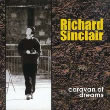 |
Unleaded fuel, Recycling should be the rule.
Air, land and sea, Should remain pollution-free.
more
Still a craftsman decades after his excellent work with the 1970s bands Caravan and Camel, Sinclair and his players create music that is lilting and laid-back, with a wonderful interplay of guitar, flute, bass, and other assorted instruments. The lyrics and music simultaneously challenge and soothe us—a treat for your ears and soul!
|
| |
Or see more Songs for a Better Planet
|
Back to joke page | More articles, by category
FREE AUDIO CLIPS

|
|
|
|
|
Hey, we don't pick
the Google ads! – GP
|
| |
| CLICKS ON OUR ADS AND PURCHASES VIA OUR AMAZON LINKS HELP SUPPORT THIS FREE SITE... THANKS! |
|
|
"We are monumentally distracted by a pervasive technological culture that appears to have a life of its own, one that insists on our full attention, continually seducing us and pulling us away from the opportunity to experience directly the true meaning of our own lives."
— Al Gore,
US Vice President
1993-2001
|
|